
Vision therapy in Nerja, Malaga
Train your eyes, improve your life.
Personalised treatments to correct visual dysfunctions that affect learning, concentration or performance. Special attention to children and young people.
What does visual therapy involve?
Visual therapy, also known as visual training, is an optometry treatment whose mission is to enhance vision and correct visual problems.
This therapy is based on working on focus and visual coordination, and is normally used for patients with lazy eye, strabismus, and visual disorders. However, undergoing visual therapy even if there is no specific cause is a smart decision in the long term.
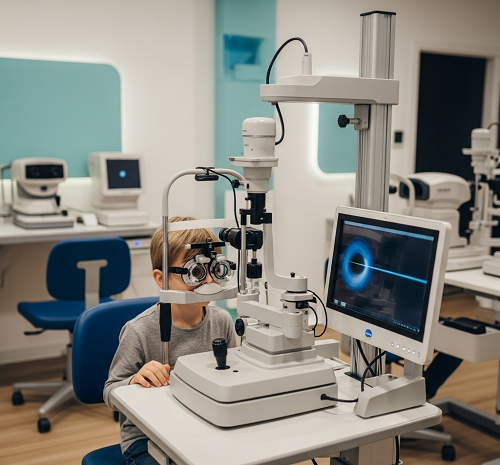
How do we conduct our therapy?
Our visual therapies are based on two main phases.
Intensive phase
This is the basis for change because not everything begins and ends in the consultation room.
- Consultation sessions: Once a week, 45 to 60 minutes, with guided and personalised exercises.
- Home exercises: Reinforce your progress with daily routines of just 20 minutes, designed to complement your progress in the consultation.
- Estimated duration: Prepare your vision for a transformation that lasts between 3 and 4 months, with an average of 20 sessions.
Maintenance phase
For correct and lasting results, your vision needs to be monitored.
- Progressive monitoring: We space out the sessions, from monthly to quarterly, to ensure the stability of your visual improvements.
- Key objective: To consolidate everything you have learned, ensuring that the benefits of your visual therapy are long-lasting.
Sequential phases of therapy
Monocular phase
We strengthen each eye individually, improving sharpness, movement, and focus.
Binocular phase
We train your eyes to work together, precisely coordinate and merge images.
Binocular phase
We enhance your 3D vision (stereopsis) and brain integration for complete perception.
Visual therapy can help you…

Reduces eye strain
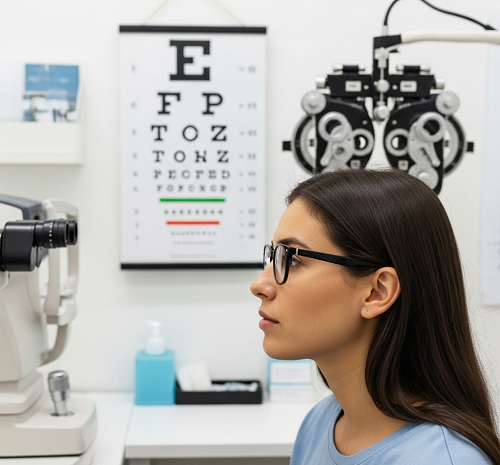
Improve your visual acuity
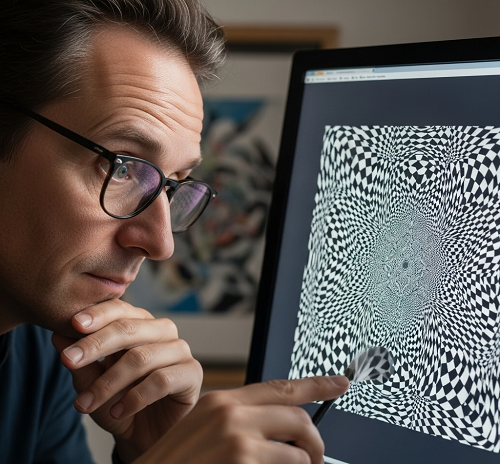
Improve spatial awareness
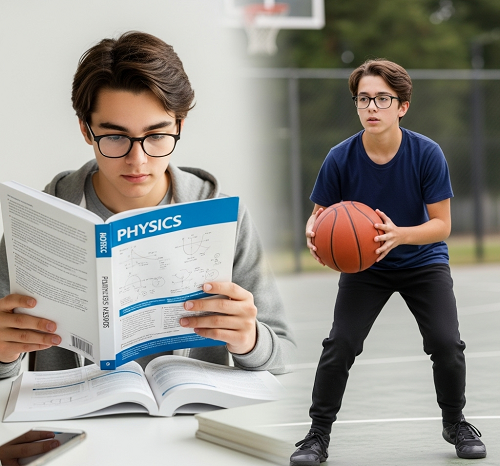
Better academic and athletic performance

Better hand-eye coordination

Improved confidence and self-esteem
Frequently asked questions
Why do visual therapy?
This therapy mainly helps your eyes learn to move better and work together in a coordinated way.
When should you seek vision therapy?
If you often have headaches, feel eye strain, especially when reading, writing or spending time in front of the computer, or sometimes see clearly and other times your vision is blurred, you should undergo visual therapy. (If there is no other medical condition)
What is the difference between orthoptics and visual therapy?
Visual therapy is an evolution of orthoptics that incorporates the same idea of visual training but, at the same time, deals with a much wider range of visual problems, not just coordination.